
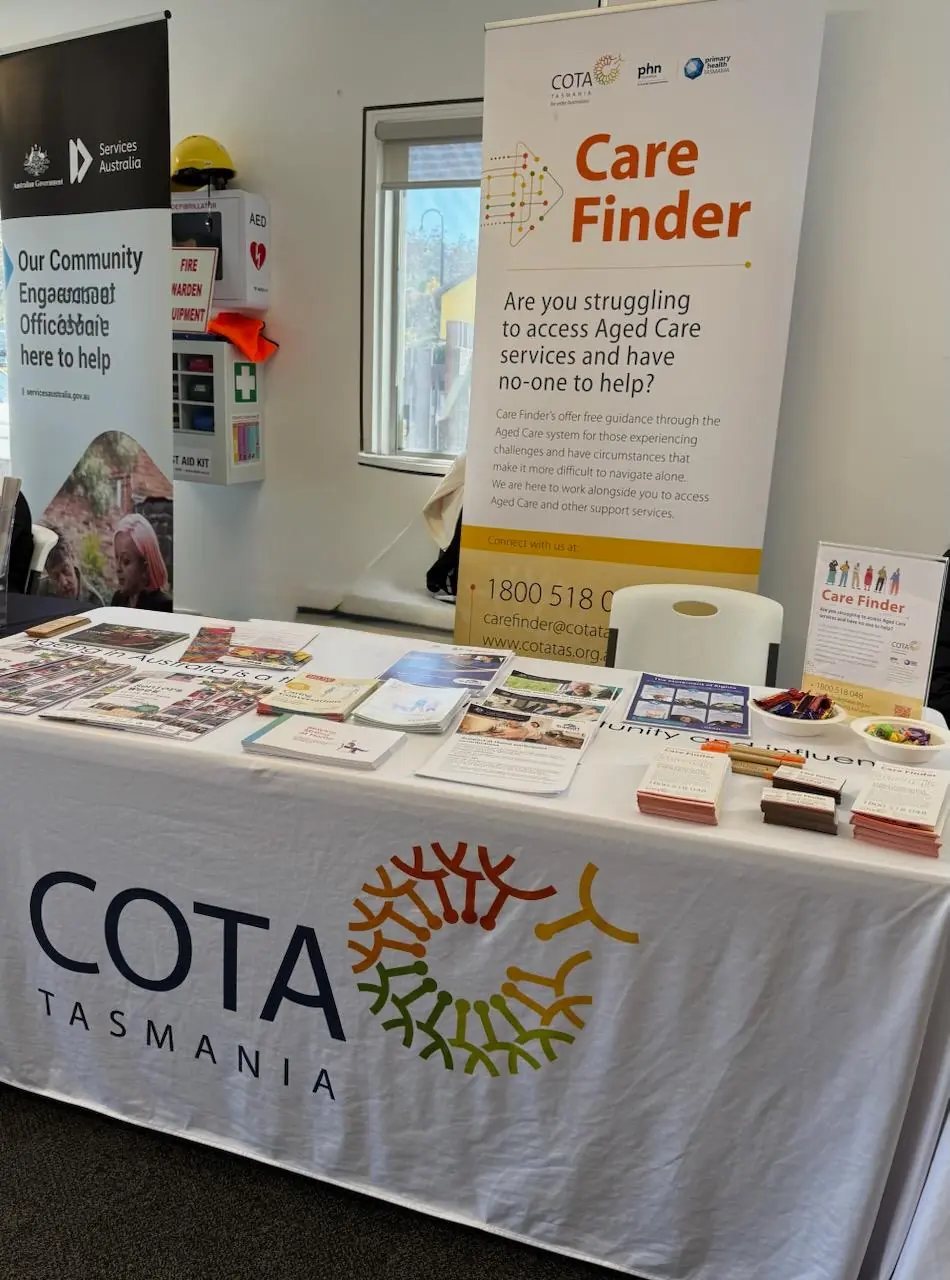
The past year has been one of significant change in Australia’s aged care landscape. As the Support at Home program continues to bed down and broader aged care reforms take shape, many older Australians and their families are finding themselves navigating new systems, new terminology and new pathways to support.
For some, these changes have been relatively straightforward. For others, understanding what support is available, where to start, and how to move through the system can feel overwhelming.
This is where Care Finder plays an important role.
Care Finder is a free service supporting older people who would struggle to access aged care, and community supports without intensive assistance. Many people who access the program have no family or friends who can help them navigate the system, while others may experience social isolation, homelessness, mental health challenges, communication barriers, trauma, or other circumstances that make it difficult to engage with services independently.
Care Finders work alongside older people, helping them understand their options, connect with services, attend assessments and relevant appointments, and remain engaged throughout what can often be a complex process. Over the past year, the Care Finder team at COTA Tasmania has supported older Tasmanians across the state as they navigate the changes associated with Support at Home and broader aged care reform. Through this work, we have seen firsthand the questions, concerns and challenges many people continue to experience when trying to access support.
Common themes include understanding eligibility, navigating assessment processes, making sense of funding and contribution pathways, and knowing what services are available within local communities. Families and those supporting older people are also seeking to understand how reforms affect the options available to them and where to access reliable information.
These experiences reinforce an important reality. While aged care reforms aim to improve access and outcomes, periods of significant change can also increase the need for clear information, guidance and navigation support. Helping older people understand their options and remain connected to the right supports continues to be an important part of successful reform.
One of the strongest observations from the past year has been that reform does not affect everyone equally. Tasmania’s geography, service availability and workforce challenges can create different experiences for people depending on where they live. While reforms are designed nationally, the realities of accessing support are often shaped by local circumstances.
As part of COTA Tasmania, the Care Finder program is connected to broader conversations about ageing, aged care reform and the experiences of older Tasmanians. This connection helps ensure that the challenges and opportunities identified through Care Finder can contribute to a deeper understanding of how reform is being experienced across the state.
Working across Tasmania, the Care Finder team has developed trusted relationships with health services, aged care services and assessment agencies, community organisations, local councils and aged care providers. These partnerships help create pathways for older people who may otherwise struggle to access the support they need and ensure support is grounded in the realities of local communities.
Perhaps the clearest lesson from the past year is that while aged care programs and policies will continue to evolve, the need for trusted support remains constant. Older people value clear information, practical assistance and someone who can help them navigate change with confidence.
“I finally feel like someone has really listened to me and understood what I was trying to say,” said a service recepient.
Across Tasmania, Care Finders continue to work alongside older people, support networks, communities and services to help ensure that some of our most vulnerable older community members are not left behind as aged care reform continues to unfold.
These moments of clarity show why the first conversation matters so much – and why we’re glad you spent time with us. We hope it helps you take the first step. We may be a short paragraph in your story, but it can be an important paragraph that lifts you up and also others around you.